


How to Choose Dried Chiles for Real Flavor

Updated: Oct 2
A bag of dried chiles can look straightforward until you are standing in front of several varieties that range from mild and fruity to sharp, smoky, and intensely hot. If you are figuring out how to choose dried chiles, the right starting point is not heat alone. Flavor profile, skin texture, freshness, consistency, and intended use all matter, especially if you are buying for a restaurant, grocery shelf, or repeat home cooking.
Dried chiles are not interchangeable. Two products may look similar in size or color but behave very differently in a sauce base, broth, marinade, or seasoning blend. For foodservice buyers and retailers, that difference affects menu consistency, customer expectations, and inventory decisions. For home buyers, it affects whether the final dish tastes balanced or one-dimensional.
How to choose dried chiles by flavor first
A common mistake is choosing by Scoville heat or by the darkest color in the bag. In practice, dried chiles are often selected for aroma and depth before heat level. Many classic Latin preparations rely on layered chile character - earthy, raisin-like, smoky, tart, sweet, or nutty - rather than pure spice.
Ancho chiles are a good example. They are generally mild to medium, with a sweet, dried-fruit quality and a broad, rounded flavor. Guajillo chiles usually bring a cleaner, brighter profile with moderate heat and a slightly tangy finish. Pasilla tends to be deeper and more earthy, sometimes with cocoa-like notes. Chipotle adds smoke and stronger heat. Arbol is narrower, hotter, and more direct.
If you are buying for a commercial kitchen, think in terms of function. Do you need body and color for a sauce base, a sharper chile for heat adjustment, or a smoky note to round out a blend? If you are stocking for retail, variety matters because your customers may be looking for a familiar regional staple rather than a general substitute.
What quality dried chiles should look and feel like
Once you know the flavor direction, physical quality becomes the next filter. Good dried chiles should still look alive, not faded or dusty. Their color depends on the variety, but it should generally be rich and characteristic - deep red, reddish brown, dark brown, or near black depending on the chile. Excessive dullness can suggest age or poor storage.
Texture matters just as much. A fresh dried chile is usually pliable or slightly leathery, even though it is fully dried. If it cracks into pieces the moment you bend it, it may be too old. Some brittleness is normal in very dry conditions, but extreme dryness often means the aroma and oils have already started to decline.
The skin should also be reasonably intact. Small tears can happen during packing and handling, especially in wholesale formats, but heavy breakage, crushed pods, or too many loose seeds at the bottom of the bag can point to rough treatment or older stock. For retail presentation, appearance affects sell-through. For restaurants, damaged pods can still be usable, but they should not smell flat or stale.
Aroma tells you more than the label
If there is one fast test that experienced buyers rely on, it is smell. Dried chiles should have a distinct aroma as soon as the package is opened. Depending on the variety, that may be sweet, smoky, earthy, sharp, or fruit-forward. A weak or dusty smell usually means lower quality or older inventory.
This is especially important when buying in volume. A strong aroma suggests that essential flavor compounds are still present, which supports consistent performance in kitchen prep. For grocery buyers, aromatic quality also helps reduce customer disappointment and returns from products that look acceptable but lack flavor.
Watch for off smells as well. Mustiness, sourness, or any sign of mold-like odor is a clear warning. Dried products still need proper storage and handling. If moisture has gotten into the package, quality can fall quickly.
Heat level matters, but context matters more
Anyone researching how to choose dried chiles usually asks about heat first, and that is reasonable. Still, heat on its own is not enough to guide a good purchase. The better question is how the heat behaves with the rest of the dish or product line.
Some chiles deliver a mild, building warmth that supports other ingredients. Others create an immediate, sharp punch. A restaurant may need one dependable mild chile for house sauces and another smaller-volume hot chile for balancing batches. A supermarket may need to stock both familiar everyday varieties and a few specialty options for customers who want more intensity.
There is also a trade-off between versatility and specificity. Mild to medium dried chiles often move faster because they are easier for a broader customer base to use. Hotter varieties can be essential, but demand may be narrower. For wholesale and retail planning, that affects case selection, shelf turnover, and reorder frequency.
How to choose dried chiles for restaurants and retailers
Commercial buyers usually need more than culinary guidance. They need a product that performs consistently and is available when needed. That means evaluating dried chiles not only by variety but by pack integrity, supply continuity, and usable yield.
Consistency is critical in foodservice. If one case of guajillo is bright, pliable, and aromatic, and the next is brittle and muted, sauce output will shift. That creates avoidable kitchen adjustments and makes standardized prep harder. Buyers should work with suppliers who understand the category, maintain dependable sourcing relationships, and can communicate clearly about product availability and substitutions.
For retailers, shopper confidence matters just as much. Customers who know Latin products often buy by memory, looking for a specific chile for a specific household use. If the selection is inaccurate, stale, or poorly merchandised, trust drops quickly. Strong assortment planning usually means carrying core staples first, then adding specialty varieties based on local demand.
This is where an experienced distributor adds real value. Terragusto, for example, serves restaurants, supermarkets, and grocery operators who need authentic Latin products with dependable local access, not just a one-time specialty purchase.
Common dried chile varieties and when buyers choose them
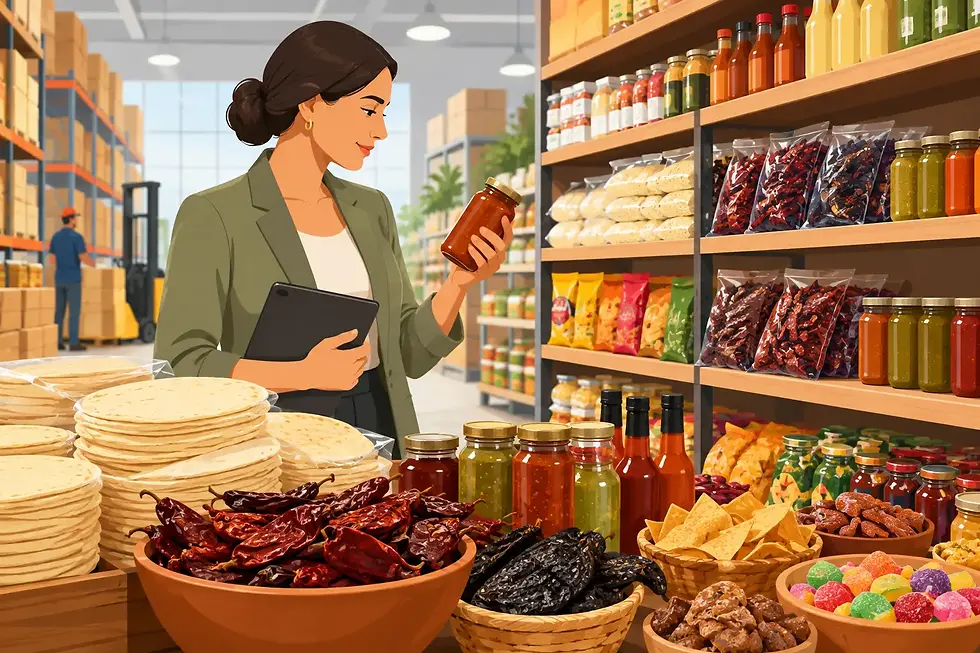
Some varieties consistently do more work than others in both foodservice and retail. Ancho is often chosen for mild heat, body, and slightly sweet depth. Guajillo is valued for balanced heat, bright red color, and versatility. Pasilla is selected when the goal is darker, earthier flavor. Chipotle is used when smoke is part of the profile, while arbol is often added in smaller amounts to raise heat cleanly.
The practical point is not to memorize a master list. It is to understand the role each chile plays. If a buyer treats every dried chile as a generic spicy ingredient, the results will be inconsistent. If they treat each as a flavor-building product with a specific job, purchasing gets easier.
Storage and shelf life affect buying decisions
Even excellent dried chiles lose value if they are stored poorly. Light, humidity, heat, and repeated opening all shorten useful shelf life. For commercial operations, that means it is better to buy the right volume on a reliable schedule than to overbuy and hold aging stock for too long.
In retail settings, sealed packaging and controlled storage conditions help preserve aroma, color, and appearance. In restaurants, keeping chiles in dry, well-sealed containers away from direct heat makes a noticeable difference. If turnover is slow, smaller case quantities may be the better business decision even when a larger buy seems efficient on paper.
This is another place where it depends. A high-volume kitchen may go through staple chiles quickly and benefit from larger formats. A smaller operator or specialty retailer may need tighter purchasing cycles to keep quality high.
Mistakes to avoid when learning how to choose dried chiles
The biggest mistake is buying only by price. Lower-cost product can be perfectly acceptable in some cases, but if quality is inconsistent, the real cost shows up in waste, weaker flavor, and customer dissatisfaction. Another mistake is assuming color alone indicates freshness. Rich color helps, but aroma and texture are usually better indicators.
It is also a mistake to substitute one chile for another without understanding the trade-off. Sometimes a substitution works well enough. Sometimes it changes the flavor profile more than expected. That may be manageable in a home kitchen, but in foodservice or retail, repeated substitutions can create inconsistency that customers notice.
A better approach is to choose dried chiles with a clear purpose, verify quality through appearance and aroma, and buy from a source that understands authenticity and supply reliability. When you do that, the category becomes much easier to manage - and the flavor results are much better from the start.
The best dried chile is rarely the hottest or the most dramatic-looking one. It is the one that delivers the right flavor, dependable quality, and steady performance for the way you actually buy, stock, and use it.


Comments