


Best Latin Wholesale Brands for Ontario Buyers

Updated: Oct 2
For a restaurant, supermarket, or specialty retailer, the best Latin wholesale brands are not simply the most recognizable names on a shelf. They are the products customers return for, the items staff can reorder with confidence, and the brands backed by consistent inventory, proper handling, and clear product information. A strong Latin assortment should feel familiar to established customers while giving new customers an accessible entry point into authentic regional flavors.
The right buying decision starts with the needs of your business. A busy taqueria may prioritize tortillas, corn flour, dried chiles, sauces, and beverages in reliable case quantities. A grocery retailer may need a broader mix of pantry staples, sweets, cookies, condiments, and household goods that create a complete shopping destination. In both cases, authenticity and supply consistency matter as much as the label itself.
What Makes a Latin Wholesale Brand Worth Stocking?
A wholesale brand earns shelf space when it performs in four areas: product authenticity, dependable quality, customer recognition, and reliable availability. A product can have attractive packaging, but if the flavor profile feels generic or the format does not meet the expectations of Latin shoppers, repeat sales may be limited.
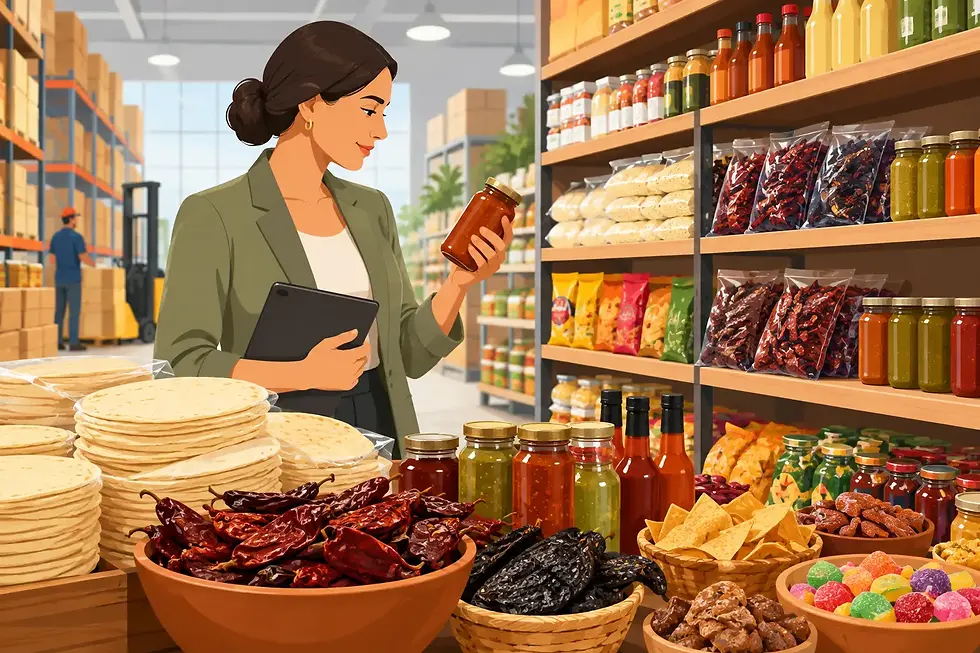
Authenticity is often visible in the details. For tortillas, that can mean the right texture, thickness, and ingredient profile for the intended use. For dried chiles, it means recognizable varieties, appropriate color, aroma, and condition. For sauces, seasonings, and condiments, buyers should look for products that reflect established regional tastes rather than watered-down interpretations.
Consistency is equally commercial. Retailers need products with clear labeling, stable case packs, reasonable shelf life, and dependable replenishment. Foodservice operators need formats that match their volume and storage capacity. The best choice is rarely one brand across every category. It is a balanced assortment built around the brands and formats that fit your customers and operation.
Best Latin Wholesale Brands by Product Category
Rather than selecting products based only on name recognition, assess each category according to demand, turnover, and the role it plays in your assortment. A good distributor can help buyers build around staple items first, then add regional or specialty products as customer demand grows.
Tortillas, Corn Flour, and Core Mexican Staples
Tortillas and masa harina are high-priority products for many Latin foodservice accounts and retailers. Quality matters because customers notice differences immediately in texture, aroma, and performance. Look for brands with consistent production standards, practical package sizes, and dependable availability across the products you use most often.
Corn flour, beans, rice, grains, canned goods, soups, and similar staples create the foundation of a Latin grocery section. These items may not always be the most visually prominent, but they support frequent repeat purchases. Strong wholesale brands in this category offer familiar formats, easy-to-read labeling, and products that meet customers' expectations for everyday pantry use.
Chiles, Sauces, Seasonings, and Condiments
Dried chiles are a category where variety matters. Customers may seek specific chile types for distinct flavor, color, or heat characteristics. Stocking only one or two options can leave gaps in a retailer's assortment or a restaurant's purchasing program. A thoughtful selection includes dependable everyday varieties alongside specialty options that reflect the tastes of your local customer base.
Sauces, seasonings, and condiments can generate strong repeat sales because they provide convenience without sacrificing familiar flavor. Evaluate these brands on flavor consistency, packaging durability, shelf presentation, and product range. A supplier with several complementary products can simplify purchasing, but each item should still earn its place based on sales performance.
Beverages, Sweets, Cookies, and Candy
Beverages and packaged treats often bring customers into the aisle, especially in supermarkets and independent grocery stores. These categories can encourage impulse purchases, but they should not be treated as an afterthought. Familiar beverage flavors, regional candies, cookies, and sweets help create an assortment that feels complete and culturally relevant.
For these products, consider shelf life, breakage risk, display requirements, and seasonal demand. A candy brand may move quickly around holidays or family gatherings, while beverage demand can rise during warmer months. Ordering patterns should reflect your actual sales history, not only the initial appeal of a new item.
Fish, Natural Products, and Household Essentials
Latin grocery shoppers often want more than food ingredients. Fish products, natural items, cleaning supplies, and personal care essentials can strengthen a store's role as a practical one-stop destination. These categories require careful attention to storage requirements, expiry dates, labeling, and shelf placement.
Not every business needs a deep selection in every non-food category. A restaurant may have little use for household items, while a neighborhood market may benefit from a focused range of familiar essentials. The right assortment depends on who walks through your doors and what they expect to find.
How Buyers Should Compare Wholesale Brands
The most reliable way to compare brands is to use purchasing criteria that go beyond unit cost. A lower-cost product can become expensive if it moves slowly, creates customer complaints, or is difficult to reorder. Similarly, a premium product may justify its position if it drives loyalty, supports a higher-value offering, or fills a gap that competitors in your area do not address.
Start with customer fit. Ask whether the product serves Mexican, Central American, South American, Caribbean, or broader Latin American demand in your market. “Latin” is a wide category, and customer preferences are not interchangeable. A product that performs well in one neighborhood or restaurant concept may not be the right fit for another.
Next, assess operational fit. Confirm case pack, product size, shelf life, storage needs, and delivery cadence before making a large commitment. Restaurants should consider back-of-house storage and weekly usage. Retailers should consider shelf capacity, planogram placement, and the rate at which products turn over.
Finally, evaluate the distributor relationship. Reliable communication matters when a fast-selling item needs replenishment or when a buyer is planning a seasonal display. Established sourcing relationships and scheduled local delivery routes can help reduce disruption, particularly for businesses managing many SKUs across multiple categories.
Building a Balanced Latin Product Assortment
The strongest assortments usually begin with high-demand staples and expand with targeted variety. For a restaurant, that may mean securing core tortilla products, corn flour, chiles, seasonings, sauces, beverages, and pantry items before adding specialty lines. For a retailer, it may mean building a dependable core grocery set, then adding snacks, sweets, cookies, household goods, and regional products based on sales data.
Avoid trying to represent every country or category at once. Too much variety without turnover can tie up shelf space and working capital. Start with products that have a clear customer need, review sales regularly, and increase depth where demand is proven. This approach gives buyers room to test new brands without weakening the performance of their core assortment.
It also helps to maintain a mix of recognized everyday products and distinctive specialty items. Everyday staples drive routine purchases. Specialty items give customers a reason to browse, discover, and return. The balance will vary by location, customer demographics, and whether your business serves foodservice, retail, or both.
Reliable Supply Matters as Much as Brand Recognition
Even a highly regarded product loses value when it is frequently unavailable. Supply reliability should be part of every purchasing decision, especially for restaurants with fixed menus and retailers with customers who expect their favorite products to be in stock.
Terragusto Products Inc supports Ontario buyers with a broad range of authentic Latin American and Mexican food categories, established supplier relationships, responsive service, and scheduled delivery across the GTA. For businesses, this makes it easier to consolidate purchasing while maintaining the product variety customers expect.
When reviewing a supplier, ask practical questions about order timing, minimums, delivery schedules, substitutions, and product availability. Clear answers help your team plan purchasing cycles and reduce last-minute inventory issues. For walk-in or home customers, convenient pickup options can also make it easier to access familiar products without waiting for a larger order.
The best Latin wholesale brands are the ones that fit your customers, sell at a healthy pace, and arrive when your business needs them. Build your assortment with that standard in mind, and each shelf, pantry, or storage area becomes more useful to the people you serve.


Comments