


Bulk Corn Flour for Restaurants That Lasts

Updated: Oct 2
A tortilla program falls apart fast when the corn flour is inconsistent. Texture changes, yields drift, prep takes longer, and the finished product stops matching what guests expect. That is why buying bulk corn flour for restaurants is not just a purchasing decision. It is a quality, labor, and consistency decision that affects the whole kitchen.
For restaurants serving Mexican and Latin dishes, corn flour sits at the center of the menu. Tortillas, sopes, tamales, pupusas, gorditas, and other staples depend on dependable masa performance. When a restaurant buys in bulk, the goal is not simply to get a lower unit cost. The goal is to secure a product that performs the same way from one delivery to the next, with pricing and availability that support service instead of disrupting it.
Why bulk corn flour for restaurants matters
Corn flour is one of those ingredients that seems simple until it creates problems. A slight difference in grind, moisture absorption, or flavor can show up immediately during prep. Dough may crack, press unevenly, or dry out too quickly on the line. In a busy restaurant, that means waste, rework, and slower ticket times.
Buying bulk corn flour for restaurants helps reduce those issues when the product is sourced from a dependable distributor with consistent standards. Kitchens need predictable performance because recipes are built around repeatable results. If your team has already dialed in hydration, portioning, and cook time, changing flour quality forces unnecessary adjustments.
There is also a purchasing advantage. Bulk buying can improve margin management, especially on high-volume menu items. Tortillas and tamales may have low per-unit ingredient costs, but over time even small fluctuations in cost or waste matter. A reliable bulk program gives operators better visibility into food costs and purchasing cycles.
What restaurants should look for in bulk corn flour
Not all corn flour is the same, and not every restaurant needs the exact same specification. A taqueria making tortillas all day may prioritize flexibility, aroma, and press performance. A commissary producing larger batches may focus more on yield consistency, shelf rotation, and pallet-level pricing. The right product depends on menu mix, production volume, and storage capacity.
The first requirement is consistency. Restaurant buyers should expect the same texture, color, and handling qualities across orders. If the product changes too often, the kitchen ends up compensating for supplier inconsistency.
The second is authentic flavor. For Latin menus, guests notice the difference. Corn flour should support the taste and texture expected in traditional preparations, not just function as a filler ingredient. This matters even more for restaurants building their reputation on regional or heritage dishes.
The third is packaging and pack size. Bulk is useful only if the format fits the operation. Smaller restaurants may move faster with manageable bag sizes that reduce contamination risk and simplify handling. Larger operations may benefit from higher-volume purchasing if they have the storage space and turnover to protect freshness.
The fourth is reliable replenishment. A good price on paper means little if deliveries are late or stock is inconsistent. Restaurants need scheduled supply they can count on, especially when corn-based items are core sellers rather than occasional specials.
Matching pack size to your operation
A common mistake is assuming bigger is always better. In practice, the best bulk format depends on how quickly the kitchen uses product and how well inventory is stored. If corn flour sits too long after opening, quality can decline. Moisture exposure, poor sealing, and overcrowded dry storage all create avoidable problems.
High-volume restaurants often benefit from larger orders because they move through product quickly and gain stronger purchasing efficiency. Lower-volume operators may be better served by more frequent replenishment in smaller bulk formats. That approach can protect freshness while still delivering wholesale pricing.
This is where a distributor relationship matters. Buyers should not have to choose between overbuying and running short. A supplier that understands restaurant velocity can help match order size to real usage rather than pushing unnecessary volume.
Where quality shows up on the plate
Corn flour quality becomes visible in every stage of production. In tortilla service, it affects how dough forms, how smoothly it presses, and how the finished tortilla folds and holds heat. In tamales, it influences texture, moisture retention, and the overall eating experience. In specialty applications, it can shape everything from edge integrity to flavor balance.
Restaurants that make product from scratch know that labor is tied directly to ingredient performance. If dough behaves properly, prep moves faster and staff training becomes easier. If it behaves unpredictably, labor cost rises because the team spends time correcting what should have been stable from the start.
There is also the guest-facing side. Customers may not know the flour brand, but they notice tortillas that tear, tamales that feel dry, or masa preparations that taste flat. Consistency builds trust with guests just as much as it builds confidence in the kitchen.
Price matters, but total value matters more
Wholesale buyers are right to compare pricing, but the lowest quote is not always the lowest operating cost. If a cheaper corn flour creates more waste, slows prep, or requires recipe adjustments, the actual cost can rise quickly. Foodservice purchasing works best when buyers look at value across product quality, yield, labor impact, and supply reliability.
This is especially true for multi-item menus built around masa. A small quality issue multiplied across tortillas, tamales, and other dishes becomes a larger profitability issue over time. Steady quality at a fair wholesale price is usually more valuable than chasing the cheapest line item.
The strongest supply partners support that balance. They provide competitive pricing, but they also deliver product knowledge, stock continuity, and responsive communication when restaurants need quick answers.
Choosing a wholesale partner for bulk corn flour for restaurants
A restaurant does not just need a vendor. It needs a distributor that understands the role corn flour plays in Latin foodservice. That means knowing the difference between generic commodity supply and authentic product sourcing that supports real menu standards.
A strong wholesale partner should offer dependable inventory, practical order quantities, and delivery that aligns with restaurant schedules. For operators in busy urban markets, daily or scheduled delivery can make a major difference. It reduces carrying pressure in the back room and helps buyers reorder with more confidence.
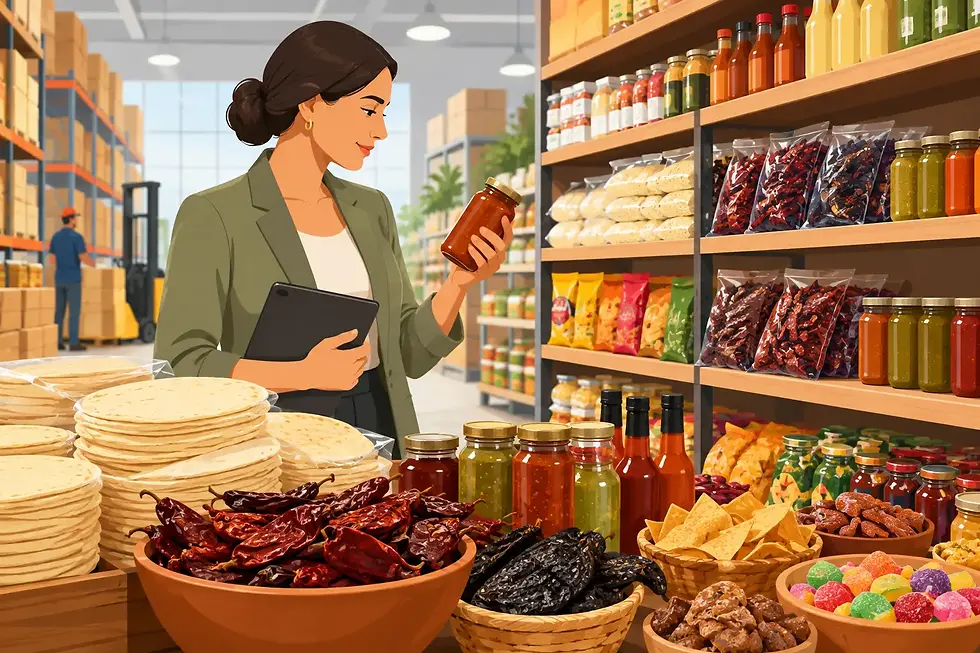
Breadth of catalog matters too. Restaurants buying corn flour often also need tortillas, dried chiles, sauces, seasonings, beans, canned goods, sweets, beverages, and cleaning products. Working with one distributor across multiple categories can save time, simplify ordering, and improve supply coordination.
For Ontario foodservice buyers, especially those serving Mexican and Latin menus, that combination of authenticity and logistical reliability is hard to replace. A distributor like Terragusto Products Inc can support that need by combining authentic sourcing with scheduled wholesale service designed for restaurants and supermarkets.
Practical buying questions before you place an order
Before committing to a bulk corn flour program, restaurant buyers should look at actual usage patterns. How many pounds move each week? Which menu items depend on it? How much storage is available, and how well is that space managed? Those answers help determine order frequency and bag format.
It also helps to review kitchen process. If multiple staff members mix dough, consistency in preparation matters just as much as consistency in the ingredient. Even excellent flour can produce mixed results if hydration and holding practices vary from shift to shift.
Finally, ask whether your current supplier can support growth. If tortilla or tamal sales increase, can the distributor maintain the same quality and delivery rhythm? A supplier that works at your current level but struggles during busy periods may create more problems later.
A steady ingredient supports a steady business
Restaurants put a great deal of attention into proteins, sauces, and menu development, but staples deserve the same discipline. Corn flour is a foundation product. When it is right, service is smoother, recipes stay consistent, and guests get the flavor and texture they came for.
That is why bulk buying should be approached with clear operational standards, not just a price target. The right supply setup gives restaurants a dependable ingredient, predictable ordering, and fewer surprises in the kitchen. When your masa performs the way it should every time, the rest of the menu has a stronger base to stand on.


Comments