

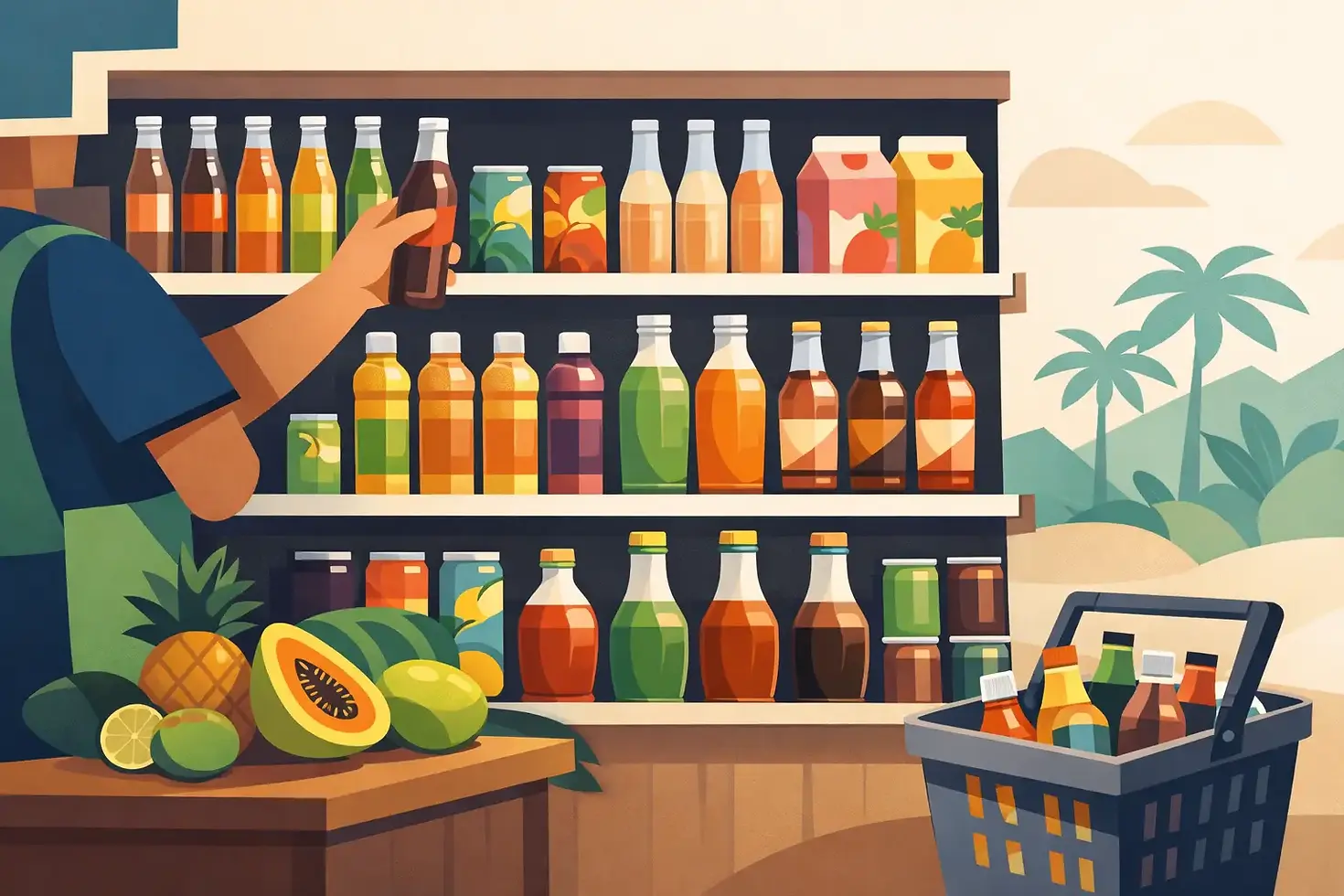
How to Stock Latin Beverages for Your Store
- Terragusto Products
- Aug 24
- 6 min read

A beverage cooler can tell a retailer a great deal in one afternoon. If familiar Latin drinks sell through before the lunch rush while slow-moving cases occupy valuable cold space, the issue is not demand - it is assortment planning. Knowing how to stock Latin beverages means balancing cultural familiarity, regional preferences, pack sizes, and reliable replenishment rather than simply adding a few imported drinks to the shelf.
For supermarkets, specialty grocers, restaurants, and foodservice operators, beverages are often a high-visibility purchase. They can bring customers into an aisle, complement prepared food, and encourage repeat visits when the brands and flavors are the ones customers expect. The right program should feel authentic while remaining practical to manage.
Start With the Customers You Serve
Latin America is not one beverage market. Customer preferences can vary by country of origin, neighborhood, age group, and shopping occasion. A product that moves quickly in one GTA community may require a smaller test order in another. Start with the customers already walking through your doors and the foods they purchase alongside beverages.
A store with strong Mexican grocery traffic may see steady demand for fruit-flavored soft drinks, tamarind drinks, and traditional drink mixes. A broader Latin American customer base may respond well to fruit nectars, malt-style beverages, guava or mango drinks, coconut-based options, and familiar shelf-stable juices. Restaurant and foodservice buyers may prioritize single-serve bottles and cans that are easy to merchandise, chill, and sell with takeout orders.
Do not build your opening assortment around personal preference alone. Review register data where available, ask staff what customers request, and pay attention to which beverage categories sell with prepared foods, snacks, sweets, and pantry staples. Customer requests are especially useful when several people ask for the same flavor, format, or brand family over a short period.
Build a Core Range Before Adding Variety
A strong beverage set begins with reliable, recognizable products. These are the items that customers buy routinely and expect to find in stock. Keep this core range focused enough to support steady case movement, then introduce limited quantities of new flavors or formats around it.
Your core may include carbonated soft drinks, fruit nectars and fruit drinks, shelf-stable juices, drink mixes, and single-serve refreshments. The exact mix depends on your customer base and available storage. A restaurant with limited backroom space should not carry the same assortment as a full-service supermarket with multiple coolers and a dedicated beverage aisle.
Variety has value, but too much variety can create avoidable waste and inventory confusion. If six similar flavors compete for the same customer and only two sell consistently, reduce the overlap. Use the recovered shelf space for proven fast movers or a category that fills a genuine gap.
How to Stock Latin Beverages by Format
Package format affects margins, storage, merchandising, and purchase behavior. A beverage can be popular in one format and underperform in another, so evaluate the format as carefully as the flavor.
Single-serve bottles and cans are often the best fit for front coolers, restaurant counters, grab-and-go displays, and lunch traffic. They support immediate consumption and make it easier for customers to try unfamiliar flavors. Their trade-off is that they require frequent restocking and can consume cooler space quickly.
Multi-serve bottles and larger shelf-stable packages are better suited to household shoppers and grocery aisles. They can offer a practical purchase for family meals or pantry replenishment, but they should be placed where shoppers can compare sizes and flavors comfortably. If cold space is limited, stock more shelf-stable beverages at ambient temperature and reserve refrigeration for proven single-serve sellers.
Powdered drink mixes and concentrates deserve consideration as well. They provide a different type of beverage purchase: pantry-friendly, often compact, and familiar to customers who prepare drinks at home. They should be stocked near related Latin grocery items rather than treated as an afterthought in a distant beverage section.
Manage Cold Space Like a Sales Asset
Cold space is expensive, limited, and highly visible. Give it to beverages with repeat demand, strong impulse appeal, and dependable availability. Track sales by facing, not only by case. A product that sells a case every two weeks may not deserve three cooler facings if another item sells out every few days.
Keep the most recognized products at eye level or in the easiest-to-reach cooler positions. Group similar flavors and package sizes together so customers can find what they want quickly. New products can be placed beside established sellers, where they benefit from existing traffic without displacing the items people came in to buy.
For restaurants, a concise refrigerated selection usually works better than an oversized beverage list. Choose options that pair naturally with the menu and are easy for staff to identify during busy service. Consistency matters more than carrying every available flavor.
Forecast Demand Around Real Buying Patterns
Beverage demand is not static. Warm weather, holiday weekends, local events, school schedules, and changes in prepared-food sales can all affect movement. Review orders and sales at regular intervals so your inventory reflects current demand rather than last season's assumptions.
A practical approach is to separate beverages into three groups: dependable fast movers, steady secondary sellers, and trial items. Fast movers should have a clear reorder point and enough backstock to cover the interval between deliveries. Secondary sellers can be ordered in smaller quantities. Trial items should have a defined review period, such as four to six weeks, before they earn permanent shelf space.
Pay close attention to case pack sizes. A large case can improve handling efficiency, but it is not always the right choice for a slow or untested item. Smaller initial orders reduce the chance of tying up cash and storage space in products that do not match local demand. Once an item proves itself, increase depth gradually.
Expiration management is equally important. Rotate inventory using first-in, first-out practices, check dates when receiving deliveries, and avoid placing newly received stock in front of older cases. This is especially important for fruit beverages and any products with shorter shelf lives. Good rotation protects product quality and keeps customers confident in your beverage department.
Merchandise for Recognition and Discovery
Customers often shop Latin beverages by visual recognition. Clear labels, distinctive colors, familiar fruit names, and package shapes all influence the purchase decision. Keep shelves clean, faced forward, and easy to scan. If an item is repeatedly requested but difficult to spot, its sales potential will be limited even when it is technically in stock.
Cross-merchandising can help when it is purposeful. Single-serve drinks may perform well near prepared foods, snacks, or checkout areas. Family-size fruit drinks can be displayed near pantry staples and meal components. Drink mixes belong close to other Latin cooking and grocery essentials. The goal is not to place beverages everywhere, but to make the right format available at the moment it makes sense to buy it.
Seasonal displays can create additional demand, particularly for warm-weather gatherings and community celebrations. Use them to feature proven products first. A display should support replenishment, not create a temporary out-of-stock problem in the main aisle.
Choose a Supplier That Supports Consistency
A beverage program is only as dependable as its supply. When evaluating a wholesale partner, look beyond product availability on a single order. Ask whether the supplier can provide a broad range of authentic Latin beverage categories, communicate quickly about substitutions or shortages, and maintain delivery schedules that fit your receiving process.
For Ontario buyers, working with a distributor that understands Latin product demand and serves local routes can simplify inventory planning. Terragusto Products Inc. supports commercial buyers with authentic Latin grocery categories, responsive service, and scheduled delivery across the GTA and broader Ontario market. That local operational support matters when a fast-moving beverage line needs replenishment before the next busy weekend.
Also consider how your supplier handles new product introductions. The best additions are not random cases added to an order. They are products selected for a clear customer need, tested in manageable quantities, and reviewed with sales data after launch.
Keep Improving the Assortment
Stocking Latin beverages is an ongoing buying decision, not a one-time shelf reset. Review what sells, what customers ask for, what your cold space can support, and where your team spends time restocking. Small adjustments made consistently are more useful than a major assortment change based on guesswork.
When your beverage selection reflects the communities you serve and your inventory plan supports dependable availability, customers notice. They may not describe it as assortment strategy, but they will recognize that the drink they want is there when they need it.


Comments