

Bulk Tortillas for Restaurants That Deliver
- Terragusto Products
- Jun 30
- 6 min read

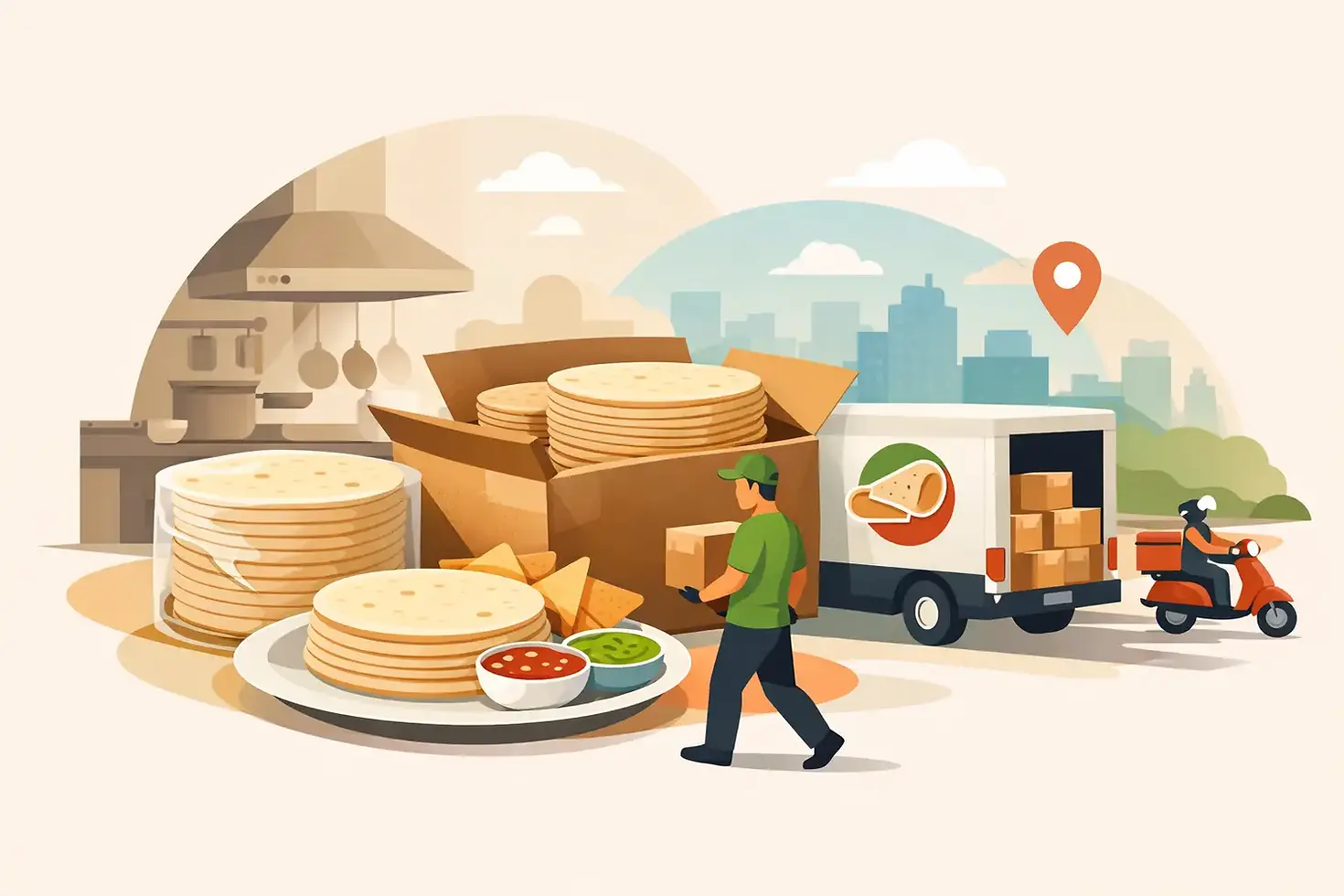
When tortilla service breaks down, the whole line feels it. A taco special stalls, wraps lose consistency, and staff start working around product issues they should never have to solve. That is why sourcing bulk tortillas for restaurants is not just a purchasing task. It is a daily operations decision that affects speed, food cost control, and guest experience.
For restaurant owners and foodservice buyers, tortillas need to do two jobs at once. They need to support authentic flavor and texture, and they need to perform reliably during busy service. A tortilla that tears too easily, dries out too fast, or arrives inconsistently from one order to the next creates waste and slows the kitchen. In a high-volume setting, those small problems add up quickly.
What restaurants should expect from bulk tortillas
Buying in volume should give you more than a lower unit cost. It should give you consistency across every case, dependable replenishment, and product options that match your menu. That includes the right diameters, the right texture, and the right format for how your kitchen works.
A taqueria, a fast-casual concept, and a supermarket hot table may all order tortillas in bulk, but they do not need the same thing. Some kitchens need corn tortillas that hold up for taco assembly during rush periods. Others need flour tortillas for wraps, quesadillas, and combination platters. Some buyers need a single dependable SKU. Others need several sizes to support multiple menu categories without overcomplicating inventory.
The practical question is not simply whether a distributor carries tortillas. The real question is whether that supplier understands foodservice use. That means case quantities that make sense, product consistency from order to order, and communication that helps buyers avoid gaps in supply.
Choosing bulk tortillas for restaurants by menu and volume
The right tortilla starts with service reality, not just preference. A restaurant that goes through high counts every day may prioritize stack consistency, easy handling, and predictable shelf life. A smaller operation may be more concerned with balancing freshness against storage space. Both are valid, but the buying approach should be different.
Corn or flour depends on the role in your kitchen
Corn tortillas are often chosen for authenticity, especially in taco-focused menus and traditional Latin formats. They can deliver the flavor profile guests expect, but handling matters. Not every corn tortilla performs the same way in a busy kitchen, and inconsistent batches can lead to cracking or breakage during prep and service.
Flour tortillas usually offer flexibility across a wider set of applications. They are common in wraps, burritos, and large-format items where pliability matters. For many operators, flour tortillas are easier to standardize in high-volume service. Still, texture, thickness, and diameter should be evaluated against your actual menu. A tortilla that works well for a burrito line may not be the best fit for table service baskets or smaller handheld items.
Size affects more than presentation
Restaurant buyers often focus first on price per case, but size has a direct impact on portioning and waste. If your tortilla is too small, staff may compensate with inconsistent builds. If it is too large, trim loss or overfilling can distort food cost. Matching tortilla size to item specification helps protect margins and keeps presentation uniform.
This is especially important for multi-unit or multi-menu operations. Standardized sizes make staff training easier and reduce variability across shifts. That can matter as much as product quality, especially when kitchen teams are moving fast.
Supply consistency matters as much as product quality
A good tortilla that is not available when you need it is still a problem. Restaurants need suppliers that can support routine ordering, seasonal volume changes, and urgent restocks when demand shifts unexpectedly. A distributor with scheduled delivery routes and clear communication can help reduce stockouts without forcing operators to overbuy.
This is where a specialized wholesale partner has an advantage. Broadline suppliers may carry tortillas, but they may not treat them as a priority category. A Latin food distributor is more likely to understand the difference between a product that is technically available and one that is actually suitable for serious menu use.
For buyers across the GTA and broader Ontario market, reliable local distribution also matters. Lead times, delivery schedules, and responsive service have a direct effect on how much back stock a restaurant must hold. When deliveries are dependable, operators can buy more strategically instead of tying up storage and cash in excess inventory.
How to evaluate a tortilla supplier for restaurant use
The best supplier relationship is built on fit, not just availability. Product range is part of it, but service quality is what keeps your kitchen running smoothly over time.
Look for foodservice-ready product selection
A useful tortilla program should cover core operational needs. That usually means access to multiple sizes, both corn and flour options, and dependable case formats for restaurant ordering. If your menu is growing, it also helps to work with a distributor that can support adjacent Latin pantry categories so purchasing is more centralized.
For many operators, this reduces ordering friction. Fewer vendors can mean fewer delays, simpler receiving, and more consistent menu execution.
Ask practical questions, not just product questions
A strong supplier should be able to answer operational questions clearly. How often are deliveries scheduled in your area? What happens if your volume changes suddenly? Can they help you choose the right tortilla format for your menu type? Do they communicate quickly when inventory conditions change?
These details are easy to overlook during onboarding, but they shape the day-to-day value of the relationship. Fast communication is not a bonus in foodservice. It is part of the service.
Watch for consistency over time
A sample or first order can look fine. The real test is whether the product arrives with the same quality level week after week. Restaurants do not just need tortillas that taste right. They need tortillas that perform the same way during service, because consistency supports labor efficiency and guest trust.
Storage, handling, and ordering rhythm
Even the right tortilla can create problems if ordering patterns are off. Restaurants should align order frequency with sales velocity, menu mix, and available storage. High-volume operations may benefit from regular replenishment on scheduled routes rather than carrying too much inventory at once. Lower-volume kitchens may need a tighter SKU assortment so product turns faster.
This is where a responsive distributor adds value beyond fulfillment. Good ordering rhythm helps reduce waste, preserve product quality, and avoid the all-too-common pattern of emergency ordering. Buyers who treat tortillas as a managed staple, rather than a last-minute commodity, usually see better consistency on the line.
Packaging also matters more than many buyers expect. Cases should be easy to receive, store, and rotate. If product handling is awkward or if case sizes do not match your throughput, labor inefficiencies creep in quietly. Over time, that affects cost just as much as invoice pricing.
Why authenticity still matters in high-volume service
Operational reliability is essential, but authenticity should not be treated as separate from performance. For Latin menus, tortillas are not a background item. They are part of the identity of the dish. Guests notice texture, aroma, and how the tortilla holds the filling. If the tortilla feels generic, the entire menu item can lose credibility.
That does not mean every restaurant needs the same tortilla profile. It depends on your concept, service style, and customer expectations. A fast-casual operation may prioritize durability and speed. A more traditional concept may place greater weight on flavor and cultural fit. Most restaurants need some balance of both.
This is why experienced category guidance matters. A distributor that understands Latin food can help buyers make a more informed choice instead of defaulting to the cheapest or most familiar option. Terragusto Products Inc serves this need by pairing authentic Latin product knowledge with wholesale distribution discipline, which is exactly what many Ontario foodservice buyers are looking for.
Bulk tortillas for restaurants are a long-term buying decision
The best buying decisions are the ones that reduce problems before they reach the kitchen. With bulk tortillas for restaurants, the goal is simple: dependable supply, consistent performance, and product choices that match your menu without creating waste or complexity.
If your current tortilla program causes breakage, inconsistency, overstocking, or last-minute substitutions, the issue may not be the product alone. It may be the sourcing strategy behind it. A better distribution partner can improve service reliability just as much as a better tortilla can improve plate consistency.
Restaurants do not need more vendor noise. They need products that arrive on time, perform as expected, and support the standards they are trying to maintain every day. When your tortilla supply is handled properly, your kitchen can focus on service instead of workarounds.


Comments